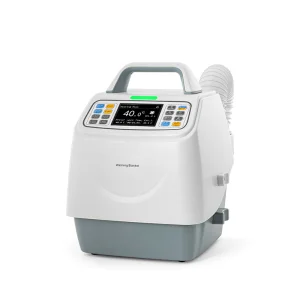
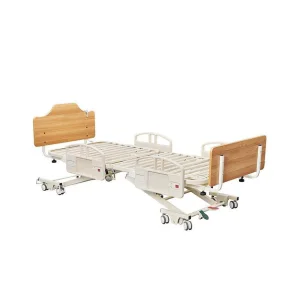
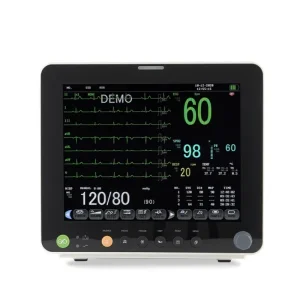
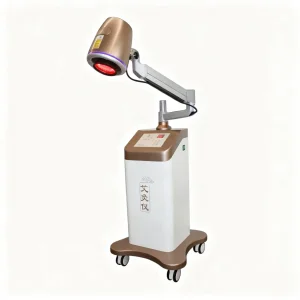
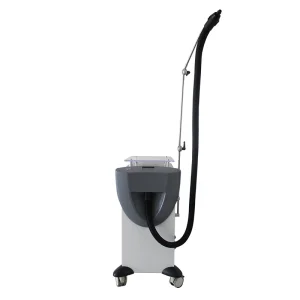
Explore our certified medical configurations, spanning pressure-relief technologies, monitoring equipment, and specialized support surfaces designed to optimize critical care environments.
In modern clinical environments, ICU bed systems are no longer classified as static patient support platforms. Instead, they operate as complex, electromechanical patient-care units designed to support vital life functions, minimize complications from prolonged immobility, and interfaces directly with critical monitoring networks. The rising global load of chronic cardiovascular conditions, neurological emergencies, and post-operative monitoring challenges has driven healthcare procurement networks to search for advanced ICU bed platforms that offer high clinical safety margins, long-term structural reliability, and adaptive ergonomics.
According to clinical studies, complications such as pressure injuries (decubitus ulcers), ventilator-associated pneumonia (VAP), and patient falls constitute major economic burdens for healthcare providers globally. The modern ICU bed platform addresses these systemic vulnerabilities by incorporating multi-segment auto-regression backrests, integrated lateral tilt therapy, precise electronic weighing scales, and wireless data streaming. For global OEM/ODM sourcing entities, navigating the dynamic regulatory landscapes (such as the EU MDR 2017/745, FDA Class II classifications, and EN 60601-2-52 structural standards) is essential to secure market-ready solutions that seamlessly integrate into highly monitored Intensive Care Units.
"The engineering behind advanced ICU platforms centers around patient safety, risk reduction, and caregiver efficiency. Every weld, actuator configuration, and structural tolerance must support critical workflows while preventing secondary patient injuries."
Compliance Standards
Safe Working Load Limit
Ingress Protection Rating
Medical Quality Certifications
Understanding the technical expectations of hospital group procurement officers, biomedical engineering heads, and clinical distributors allows for highly specialized OEM and ODM service deliveries.
Biomedical designers require fully enclosed mechanical parts, smooth ABS molded panels, and antimicrobial coatings that resist continuous sanitization cycles using high-grade chemical disinfectants without risk of degradation.
Active support options including auto-regression backrests, Trendelenburg/Reverse Trendelenburg adjustments (≥ 12°), and precise height ranges enable safer patient positioning, respiratory support, and easier exit configurations.
Sourcing workflows increasingly prioritize embedded weight scales, under-bed exit warning sensors, and continuous connection to patient monitoring panels, reducing manual check times and enhancing patient fall protection.
Hangzhou Tucson Medical Co., Ltd. is a leading manufacturer specializing in hospital beds, home care beds, air mattresses, hospital furniture, and related medical equipment. Our core mission is to provide high-quality products and complete services that help improve the daily lives and comfort of patients and elderly individuals.
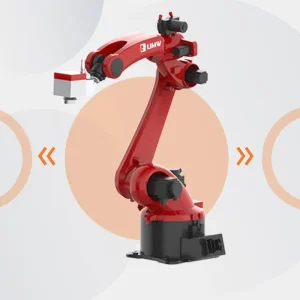
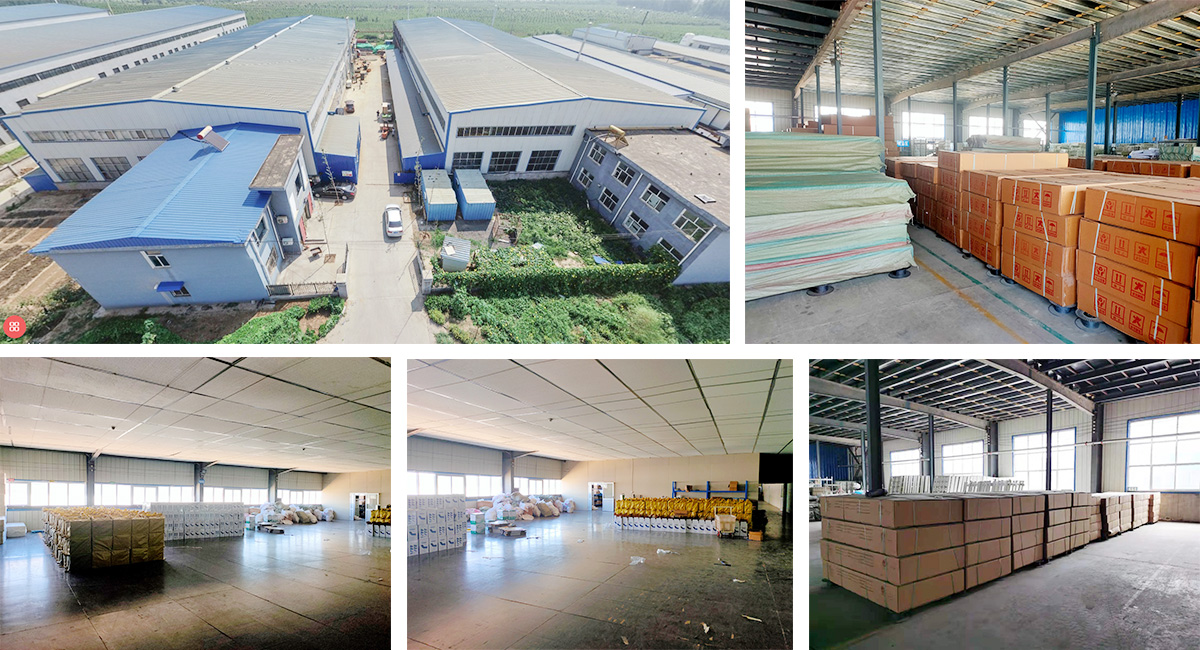
To sustain a competitive edge in global healthcare markets, Tucson Medical has integrated modern production technologies that optimize both quality and delivery times. By implementing advanced laser cutting systems and robotic welding lines, we maintain precise raw material tolerances, highly stable frame assemblies, and consistent powder-coating finishes. Our structural weld paths are executed by high-precision robots to ensure long-term durability and structural safety under heavy operational loads.
Our comprehensive quality control framework spans the entire production process. Initial stages require precise material preparation, secure frame alignment, and rigorous weld integrity evaluations. The second stage encompasses strict packaging inspection, verify correct mechanical assembly, test electrical actuator outputs, and verify full functional capabilities before export. This meticulous approach has allowed Tucson Medical to achieve compliance with international quality and safety benchmarks, including ISO 9001:2015 and EN ISO 13485:2016 certifications.
Modern clinical procurement requires equipment that adapts seamlessly to local regional standards. Our business footprint spans Asia, Southeast Asia, the Middle East, and South America. By collaborating closely with regional medical distributors, we analyze local usage trends to optimize and refine our product lines, helping partners grow their local market share.
For example, in high-humidity regions within Southeast Asia, customized anti-corrosion treatments and tropicalized electric components are applied to maintain mechanical durability. In Latin America and Middle Eastern regions, ICU bed designs must incorporate robust mechanical backup configurations, including manual CPR overrides and high-capacity battery units to protect patient safety during power supply fluctuations. Our design team coordinates directly with procurement managers to customize load requirements, control configurations, and side rail geometries, ensuring full compliance with local regulatory standards.
Tucson Medical provides comprehensive technical and after-sales support to simplify import and setup processes. From dispatching initial installation guides to delivering fast component replacements, we provide responsive assistance to resolve operational questions quickly, ensuring continuous facility operations and helping distributors maintain high service standards.
Technology integration is shifting hospital beds from basic mechanical units into connected data terminals. Key industry advancements include:
Modern platforms integrate load cells and positional sensors directly into the clinical facility’s electronic health record (EHR) networks. This allows caregivers to monitor real-time weight changes and positioning metrics remotely.
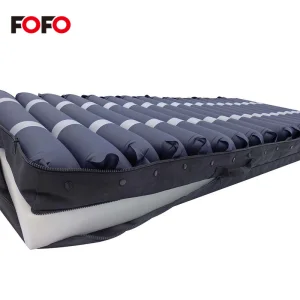
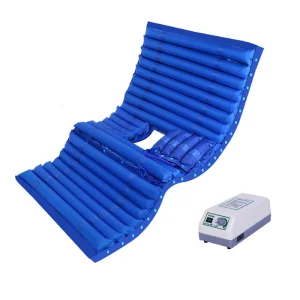
Integrated microprocessors inside mattress systems gather local interface pressure data, dynamically adapting individual air cells to prevent tissue ischemia and decubitus injuries during long recovery periods.
Using recyclable structural materials and energy-efficient actuator configurations helps hospitals reduce operational energy consumption, matching global sustainability objectives.
Answers to critical technical and engineering questions relevant to global hospital procurement managers, biomed teams, and distribution partners.
Our production operations are audited annually under certified quality management systems. From the initial inspection of raw materials to the mechanical validation of frames and electronic system testing, every process is documented. This traceability ensures our hospital furniture and ICU bed systems meet strict European and international clinical safety standards.
We provide full structural customization, including custom chassis configurations, specialized control boxes, adjustable frame dimensions, and integrated electronic system options. We also offer customization for plastic parts and side rails using our dedicated injection and custom molding facilities, tailoring configurations to meet specific hospital and distribution needs.
We use automated robotic welding to maintain consistent penetration depths and strong joints across critical load-bearing frames. This minimizes weld variances and prevents structural stress fatigue, ensuring the bed systems safely support standard working loads over years of continuous operation.
Our key export markets cover Southeast Asia, South America, the Middle East, and Asia. To support seamless integration, we adapt control systems and actuators to match regional power requirements (such as 110V/60Hz or 220V/50Hz) and equip motors with backup batteries to guarantee safety during power supply fluctuations.
The auto-regression system shifts the bed's backrest section backward as it rises. This movement enlarges the pelvic area, reducing shear forces and pressure on the patient's sacrum. It helps prevent skin friction and minimizes the risk of decubitus ulcers during prolonged elevation.
Discover our broad range of medical accessories, supportive air-mattresses, custom components, and advanced therapy devices developed for versatile clinical settings.
 Tucson Medical