For bedbound patients in long-term care and intensive care environments, pressure ulcers (decubitus ulcers) represent a severe, yet preventable clinical complication. The mechanical pathophysiology involves localized capillary occlusion due to prolonged tissue deformation. When external pressure on tissue exceeds the normal capillary perfusion pressure of 32 mmHg, localized ischemia occurs. Over extended periods, this ischemia results in cellular necrosis and deep tissue injuries.
As a leading medical-grade manufacturer, Hangzhou Tucson Medical Co., Ltd. engineered a response to this clinical challenge by formulating advanced, dynamic pressure relief systems. Combining high-precision physical architectures with alternating pressure technology (APT) and low air loss (LAL) microclimate control, our systems mitigate the primary risk factors: pressure, shear, friction, and moisture accumulation.
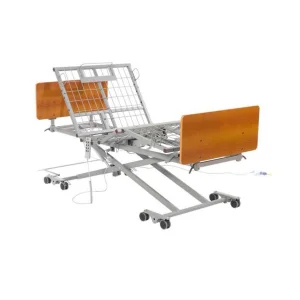
Our core catalog ranges from intensive care 3-motor/4-motor ICU beds and pediatric traction setups to high-spec TPU medical air mattresses. Backed by rigorous quality control and modern industrial facilities, we deliver high-integrity solutions to international medical distributors, healthcare supply chains, and hospital procurement departments globally.
Modern healthcare networks require reliable equipment that matches rigorous clinical demands while maintaining a balanced total cost of ownership (TCO). In global procurement, hospital administrators face dual pressures: maintaining high care standards to avoid non-reimbursable hospital-acquired conditions (HACs) like Stage III and IV pressure ulcers, and securing reliable machinery that withstands years of heavy clinical usage.
We provide full customization of pressure cell counts, cycle timing (9.6, 12, or 15 minutes), and cover fabric properties (antimicrobial, vapor-permeable, flame retardant to global standards like BS7177).
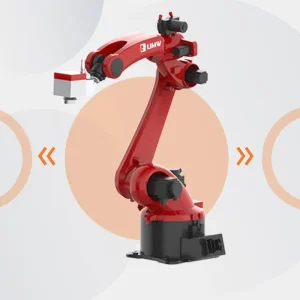
Heavy-duty frames constructed from cold-rolled steel, processed via high-precision fiber laser cutters and joint welded by autonomous robotic systems to guarantee consistent load distribution.
We modify control systems to suit regional power specifications (110V/60Hz, 220V/50Hz) and customize user interfaces to align with regional language requirements in our target markets.
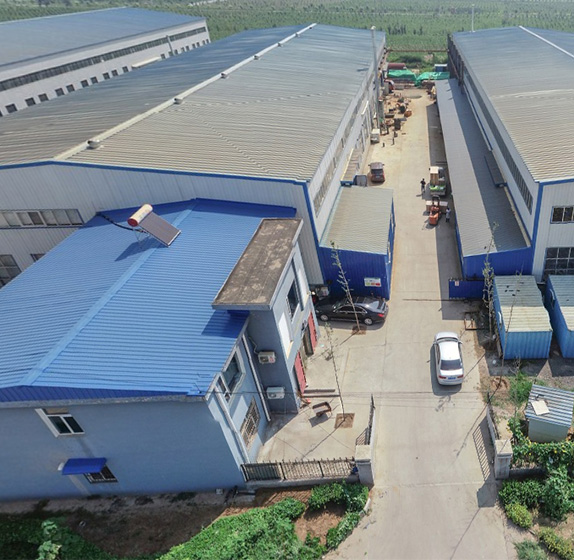
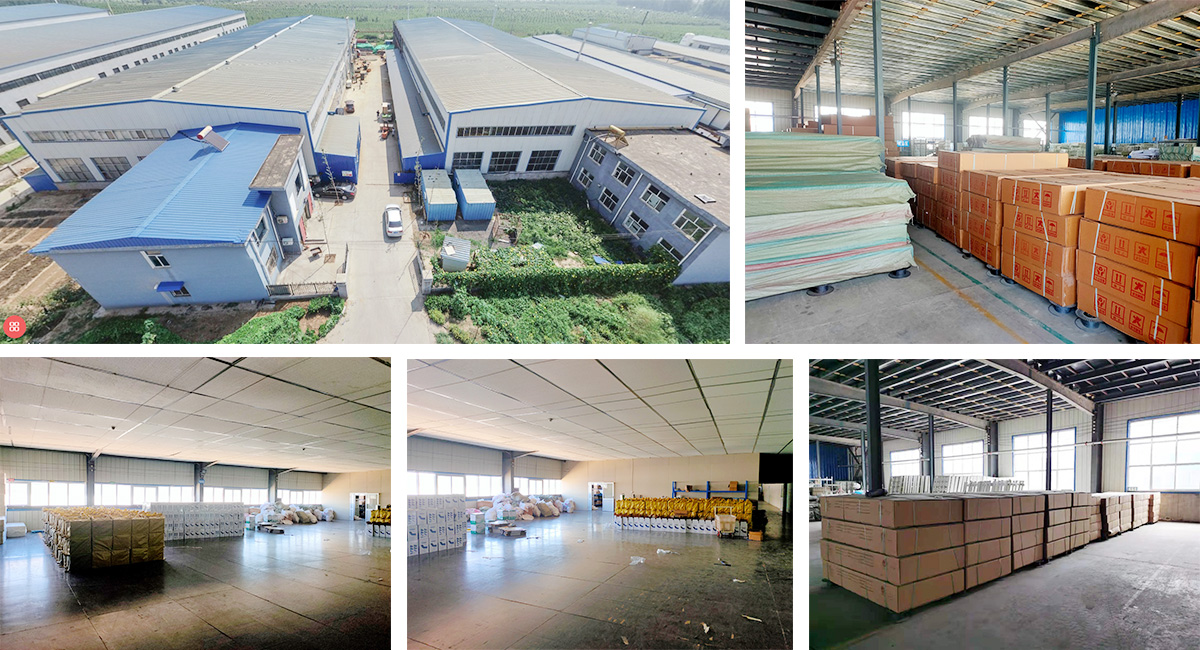
At our manufacturing center in Hangzhou, quality assurance begins with the raw materials. We source high-grade polyurethane formulations (TPU) and high-tensile steel to guarantee our equipment's long-term performance.
Laser Cutting & Robotic Welding: Manual welding methods often result in inconsistencies that become points of failure under regular pressure cycles. Our production line incorporates CNC laser-cutting units to ensure precise tolerances on all frame elements. The assembly process uses high-precision robotic welding lines that apply clean, unified welds to crucial joints, minimizing structural stress points.
Dynamic Air Cell Testing: Our air cells undergo high-frequency welding to form durable airtight chambers. Each cell is subjected to continuous pressure testing for 24-48 hours to verify weld integrity. The finalized pump systems are calibrated to measure flow rates and sound levels, ensuring whisper-quiet operation below 30 dB, which supports patient comfort and recovery.
A comparison of our core clinical systems optimized for long-term care and critical care environments.
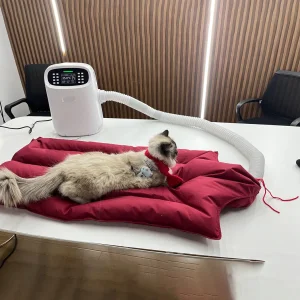
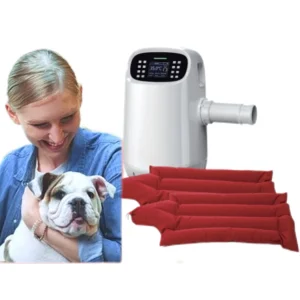
| Technical Parameters | Standard Long-Term Care Bed System | Advanced ICU Pressure Relief System | Veterinary Automated Warming Bed |
|---|---|---|---|
| Core Technology | Static / Low Air Loss Cell Matrix | Microprocessor Alternating Pressure (APT) | Continuous Warm Air Dispersal |
| Materials | Coated Medical Nylon + High Elastic TPU | Pure TPU / Breathable Anti-shear Cover | Waterproof, Antimicrobial PVC/PU Jacket |
| Pressure Cycle Times | Static Comfort State | Adjustable 9.6 min | 12 min | 15 min cycles | Continuous Thermal Regulation |
| Max Load Capacity | 180 kg (396 lbs) | 250 kg (550 lbs) | 90 kg (198 lbs) |
| Welding Precision | Automatic High-Frequency Weld | Six-Axis Robotic Precise Pulse Weld | High-Strength Hermetic Heat Seal |
| Certifications | ISO 9001:2015, CE | EN ISO 13485:2016, ISO 9001 | ISO 9001, Veterinarian Safe Rating |
Our product engineering roadmap integrates digital tools to support nursing efficiency and patient monitoring.
Integrating environmental and body temperature feedback loops to dynamically adjust internal cell temperature, preventing localized sweating and subsequent skin breakdown.
Deploying pressure sensors across the bed matrix to send real-time alerts to nurses' stations when patients remain in one position past safe clinical thresholds.
Using predictive model algorithms to autonomously adjust support surface firmness based on individual patient weights, movement patterns, and current clinical needs.
Exporting medical equipment requires strict compliance with international standards. At Hangzhou Tucson Medical, our processes align with EN ISO 13485:2016 medical device quality management system standards. This certification confirms that every stage of our operations, from raw material procurement to final inspections, meets international regulatory expectations.
Our active export markets span Asia, Southeast Asia, the Middle East, and South America. By collaborating with local distributors, we adapt our designs to meet regional certification requirements (such as CE, ANVISA, SFDA). This cooperative approach helps our distribution partners secure and expand their local market share.
Customer Service Support: We supply our partners with detailed technical documentation, video guides for installation, and access to replacement components. If an operational issue arises, our technical support team provides troubleshooting assistance within 24 hours to minimize equipment downtime.
"Our company mission is to provide high-quality products and complete services to support the comfort and daily lives of patients and the elderly. We aim to equip our customers with the reliable systems they need to compete successfully in their local markets."
Get insights into our wholesale production capabilities, medical engineering standards, and customization processes.
A clinical pressure relief system uses alternating pressure therapy (APT) or low air loss (LAL) technologies to shift a patient's contact points regularly. This process helps maintain blood flow to skin tissue, preventing the cell ischemia that causes pressure ulcers. High-grade systems use TPU cells rather than PVC to ensure durability and maintain flexibility in varying ambient temperatures.
Our quality assurance process covers raw material verification, laser-cut profiling, and automated robotic welding. Every welded component and high-frequency sealed air cell undergoes load-bearing and inflation testing for 24-48 hours. Our production processes conform to ISO 9001:2015 and EN ISO 13485:2016 guidelines, ensuring consistency across all batches.
Yes. We support custom development to meet regional specifications, including specific voltages (110V/60Hz, 220V/50Hz), plug configurations, bed dimensions, and branding. We also customize mattress covers to meet local fire-retardant standards (e.g., BS7177 or California Technical Bulletin 129).
TPU (Thermoplastic Polyurethane) offers higher flexibility, tensile strength, and resistance to environmental stress than PVC. It retains its properties under continuous inflation and deflation cycles and is less prone to cracking. TPU is also biocompatible and stands up to standard medical disinfectants.
Lead times vary depending on the size of the order and customization requirements, typically ranging from 30 to 45 days. We handle export logistics from China ports to major global destinations and provide full customs documentation, shipping certificates, and post-sales technical support.
 Tucson Medical