Enhancing safety in home nursing environments is crucial as more patients receive care at home. According to the National Association for Home Care & Hospice, nearly 12 million patients receive home healthcare services in the U.S. Safety risks, however, are significant. A report from the Agency for Healthcare Research and Quality noted that home healthcare workers face unique challenges, including falls and medication errors.
To improve safety in home nursing environments, it is vital to implement comprehensive training programs. These programs should focus on emergency response, proper lifting techniques, and infection control. Data indicates that well-trained staff can reduce accidents by up to 25%. However, despite these efforts, lapses in safety protocols still occur. Regular audits and feedback are essential to identify gaps in safety practices.
Establishing clear communication channels also helps in enhancing patient safety. Patients and caregivers must share updates and concerns frequently. Lack of communication can lead to medication mishaps or delayed care. Mental health support for caregivers is another aspect that needs attention. This can help alleviate stress, which currently affects 30% of home healthcare workers. Ultimately, a holistic approach is necessary to address these ongoing challenges in home nursing settings.
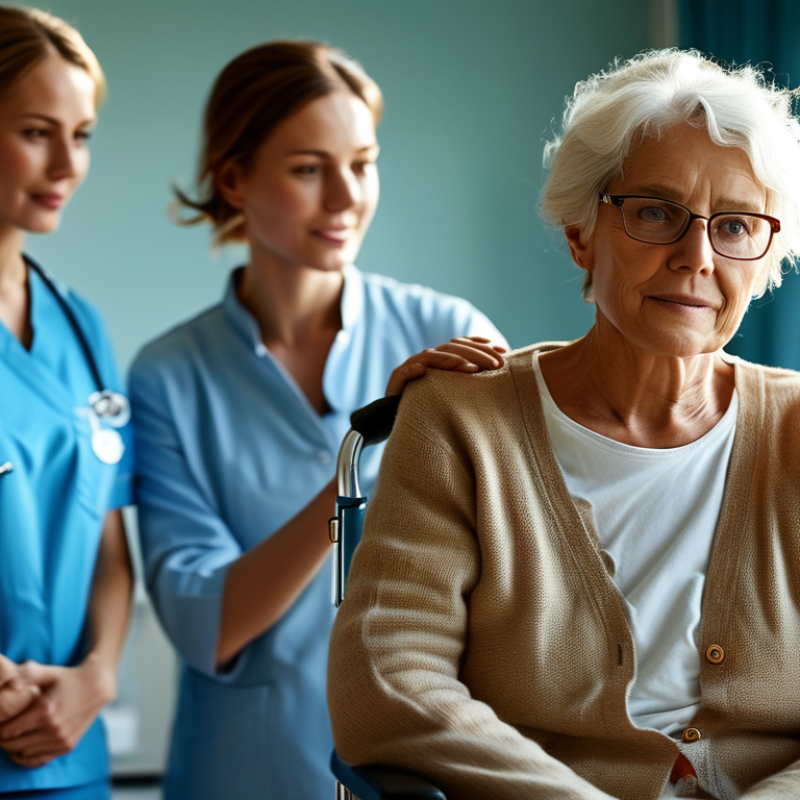
Identifying Common Hazards in Home Nursing Environments
Home nursing environments can be beneficial but also present various hazards. Identifying these risks is essential for ensuring safety. Common hazards include slippery floors, cluttered spaces, and inadequate lighting. Each of these can lead to falls, which are a significant concern for vulnerable individuals. Even a small rug can become a tripping hazard if not secured properly.
Furthermore, electrical safety is often overlooked in home nursing settings. Inadequate wiring, overloaded outlets, and exposed cords can create fire hazards. Healthcare providers must assess these conditions regularly. Additionally, medications should be stored securely, as easy access can lead to accidental overdoses, especially in homes with children or pets.
Personal safety also plays a role in home nursing. Healthcare professionals may face risks from aggressive behavior or unstable family dynamics. Developing communication skills and strategies for de-escalation can help mitigate these threats. Regular training and awareness of the home environment are crucial for maintaining safety for both patients and caregivers.
Implementing Effective Safety Protocols for Caregivers
Creating a safe home nursing environment requires robust safety protocols.
Caregivers play a vital role in ensuring safety. They need to recognize potential hazards.
Regularly assessing the home for risks is essential. This includes checking for clutter,
loose rugs, and inadequate lighting. A well-organized space significantly reduces accidents.
Education is critical for caregivers. They should receive thorough training on emergency procedures.
Knowing how to respond during a fall or a medical emergency can save lives. Additionally,
establishing a communication plan enhances safety. Caregivers should know how to contact help quickly.
They must also understand the specific needs of their patients. Each patient’s care plan should
reflect their unique circumstances.
It’s important to foster a culture of safety. Encourage caregivers to report near-misses or
unsafe conditions. Continuous improvement is key. Regularly revisiting and updating safety
protocols is necessary. Caregivers should feel empowered to suggest changes. This ongoing dialogue
helps create a safer environment. Safety is not just a checklist; it's a mindset.
Utilizing Technology to Improve Home Health Safety
Utilizing technology to enhance safety in home nursing environments is crucial for better patient outcomes. Recent studies indicate that 70% of home health agencies now use some form of technology. This growth reflects a shift towards more efficient and safer care practices. Devices such as remote monitoring systems can track vital signs in real-time. This technology allows healthcare providers to respond swiftly to any changes in a patient's condition.
Incorporating GPS tracking devices for caregivers can also improve safety. These devices help to ensure that nursing staff are where they need to be, reducing the chances of missed appointments or emergencies. Moreover, automated medication dispensers can ensure patients receive the right dosage at the right time. However, not all families can adapt to the complexity of new technologies, highlighting an area for improvement in training and support.
Communication tools, like video calls, facilitate better interactions between patients and healthcare professionals. These tools bridge gaps when in-person visits aren't feasible. Yet, many patients report feeling uneasy using new platforms. This highlights a need for ongoing education for both caregivers and patients. Embracing technology, while addressing its challenges, is essential for secure home healthcare environments.
Creating a Safe Physical Environment for Patients
Creating a safe physical environment for patients in home nursing requires thoughtful planning and attention to detail. Many factors contribute to safety, from accessibility to hazard prevention. Start by assessing the layout of the home. Ensure that walkways are clear and wide enough for mobility aids. Consider the furniture placement; it should not obstruct movement, especially for those using wheelchairs or crutches.
Next, focus on lighting. Adequate lighting can prevent falls and injuries. Install lights in hallways and staircases. Consider night lights in bedrooms and bathrooms. Simple adjustments like these can make a significant difference. Additionally, utilizing non-slip mats and rugs can further enhance stability. Secure rugs to the floor to prevent tripping.
Finally, maintaining a clean and clutter-free environment is crucial. Regularly check for items that may pose a risk, such as spilled liquids or loose cables. A clean space is not only healthier but also contributes to mental well-being. Reflect on these aspects continually, as safety isn't just a one-time task. It's an ongoing process that requires vigilance and adaptability.
How to Enhance Safety in Home Nursing Environments? - Creating a Safe Physical Environment for Patients
| Safety Measures |
Description |
Importance |
Implementation Tips |
| Slip-Resistant Flooring |
Install flooring that reduces the chance of slips and falls. |
Prevents injuries; essential for mobility-impaired patients. |
Choose materials specifically designed for high-traffic areas. |
| Adequate Lighting |
Ensure proper illumination in all areas of the home. |
Reduces fall risk and increases visibility for caregivers. |
Use LED lights with motion sensors in hallways and stairs. |
| Accessible Furniture |
Arrange furniture to allow easy movement for patients. |
Facilitates mobility and reduces the risk of bumping into objects. |
Keep pathways clear and place frequently used items within reach. |
| Emergency Contact Information |
Post emergency contacts visibly in the home. |
Ensures quick response during emergencies. |
Use large print and place near phones and in the kitchen. |
| Frequent Safety Checks |
Regularly evaluate the safety of the environment. |
Identifies potential hazards before they cause harm. |
Create a checklist for routine evaluations of the space. |
Training Family Members on Emergency Response Procedures
In home nursing environments, equipping family members with emergency response training is vital. Research indicates that 70% of emergency situations occur at home, making it essential to prepare caregivers. Training can include basic first aid, CPR, and understanding when to call for professional help. Families trained in these skills have shown a 50% improvement in response time during critical incidents.
Engaging family members in hands-on training offers tangible benefits. For instance, simulations of choking incidents can prepare caregivers for real scenarios. A study found that only 30% of individuals feel confident performing CPR when faced with an emergency. This lack of confidence may lead to hesitation, impacting patient outcomes.
Training should also cover communication in high-pressure situations. Family members must learn to stay calm and convey information quickly to emergency responders. This can make a significant difference in care. Moreover, creating an emergency plan tailored to individual needs is crucial. Each plan should be reviewed regularly for effectiveness. Over time, adjustments may be necessary as the patient's condition evolves or as new risks are identified. The goal is to ensure all family members feel empowered and ready to act when it matters most.
Conclusion
Enhancing safety in home nursing environments is crucial for protecting both patients and caregivers. To improve safety in these settings, it is essential to identify common hazards such as poor lighting, clutter, and the presence of potentially harmful objects. Once identified, effective safety protocols can be implemented, ensuring that caregivers are well-prepared to handle any situation.
Incorporating technology can also play a significant role in improving safety, such as using monitoring systems and medical alert devices. Additionally, creating a safe physical environment tailored to the needs of patients is vital. Finally, training family members on emergency response procedures empowers them to act swiftly in unexpected situations, further contributing to a safer home nursing experience.

 Tucson Medical